In this new blog series, we are highlighting the creative coping practices our community members enjoy outside of our programs. If you have a hobby or practice that you’d like to tell us about, please email programs@cactuscancer.org.
Today we’ll be hearing from Valarie, one of our amazing Cactus Cancer Society community members, and one of her many creative coping practices. Read on to learn more about how she got hooked on photography, its relationship to her cancer experience, and how she’s found community through her work!
Please introduce yourself! What’s your name, what are your pronouns, and where are you located?
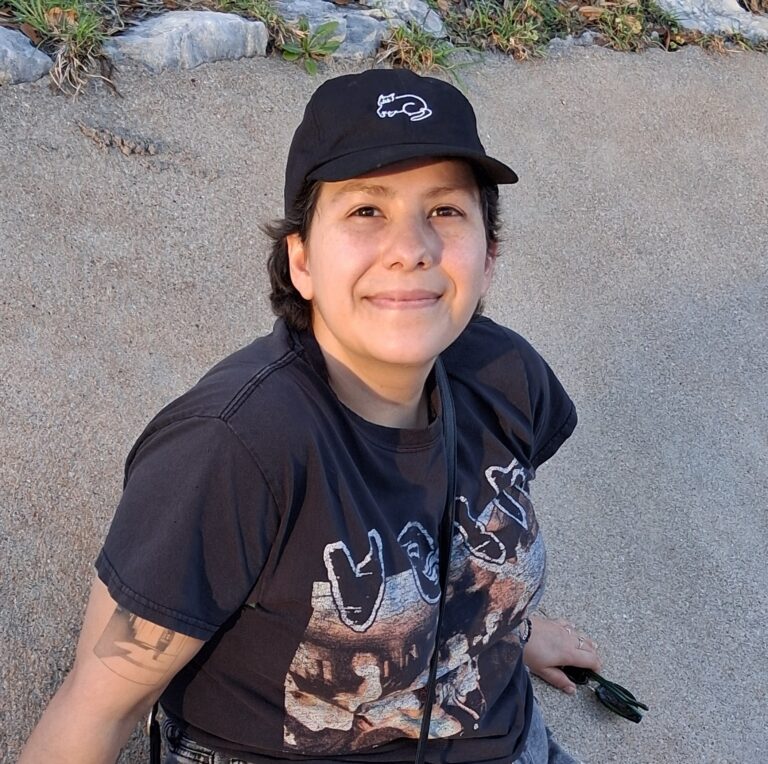
My name is Valarie Gold and my pronouns are she/her. I am a born and raised Austinite, although I recently moved to Seattle, Washington. I’ve been enjoying the dramatic weather change from Texas to the Pacific Northwest, even if I already miss H-E-B (Texas grocery store, iykyk).
How did you first find Cactus Cancer Society?
Honestly, it was such a blur during active treatment that I’m not entirely sure. I want to say MD Anderson had a list of resources for AYA patients and Cactus Cancer Society was included on the list.
What creative practice are you sharing with us today? How did you make your way to this hobby, and how long have you been practicing it?
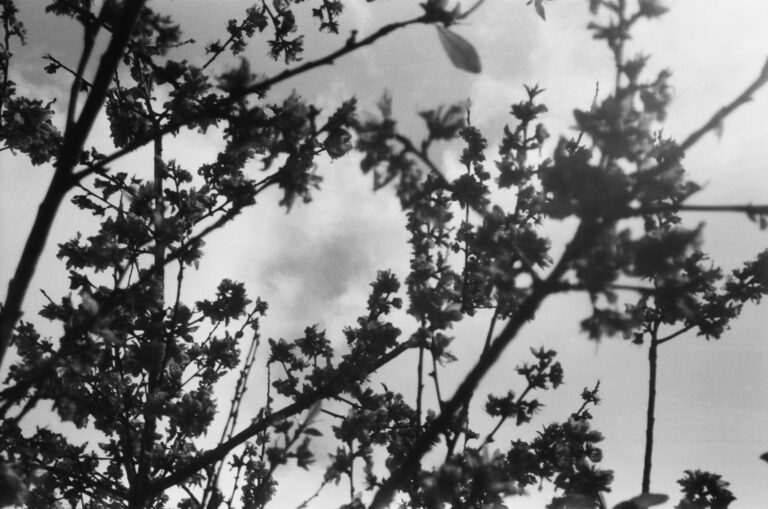
I’d like to share film photography with the Cactus Cancer community today! I studied media arts in college but I did not regularly use a non-digital camera until after graduating. I want to say my first film camera was a plastic toy camera by TIME magazine, and I fell in love with the gritty photos it produced.
What is it about this hobby that you really enjoy?
Something about analog photography filled with light leaks, grain and mystery really appealed to me. I gravitated towards black and white movies in early high school, so analog filmmaking just clicked for me (pun intended).
What is one of your favorite pieces you’ve created so far? Tell us more about it.
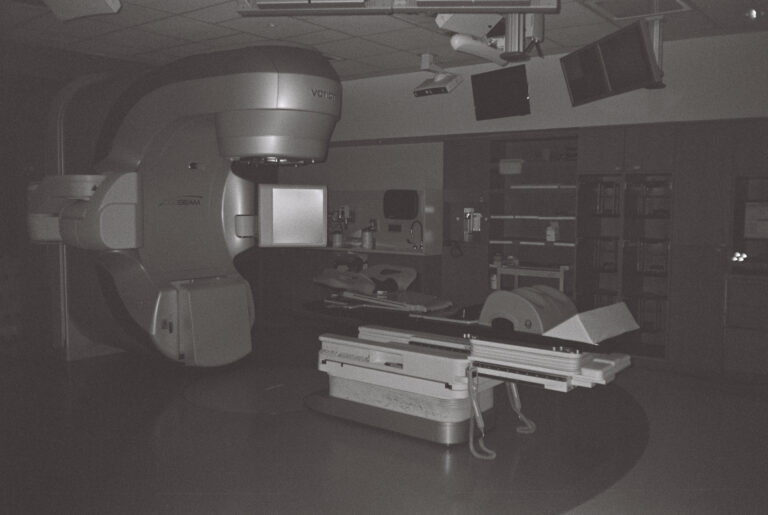
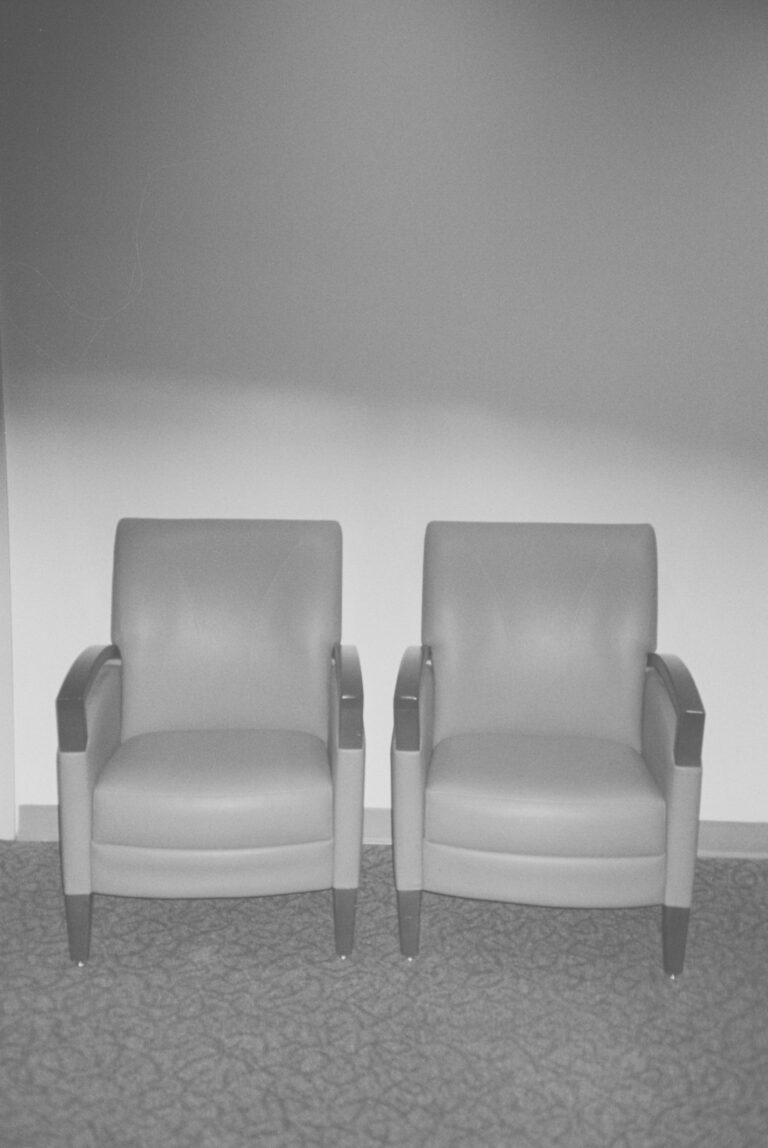
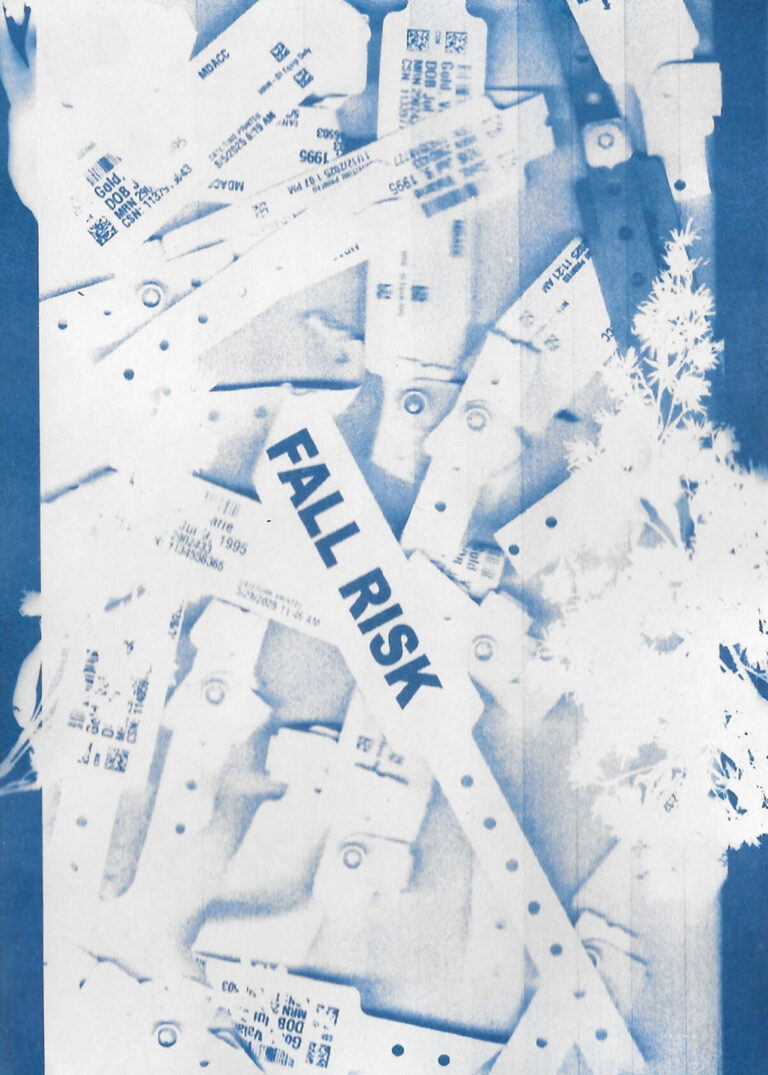
I recently put together a collection of photos I titled “Waiting”, which features various hospital rooms I experienced during active cancer treatment. I compiled the photos and created a zine (a small pamphlet) that showcases the photographs all together! I’ve been interested in creating zines for a long time so I am excited to say I finally made one featuring my photography.
What do you feel is the relationship between your cancer experience and your work?
My “Waiting” series was absolutely a way to process my cancer experience. There was a part of me that felt it was important to document my life in real time. There are a lot of unspoken parts of cancer treatment. The bland waiting room chairs. The dust gathered behind a stack of papers on the counter. It feels like a quiet solitude which I’ve attempted to capture in my photographs. A feeling that may seem mundane or unpleasant, but nevertheless synonymous for anyone who has spent considerable time in a hospital.
Have you monetized your photography, and why or why not?
No. I think I am still trying to find my voice in photography, and if I do monetize it- I would try to be intentional with making things others would enjoy and use. For example, I’ve considered making bookmarks, button pins, postcards, and such. We will see where creativity takes me!
What do you primarily photograph? Is there a community, online or in person, surrounding your hobby?
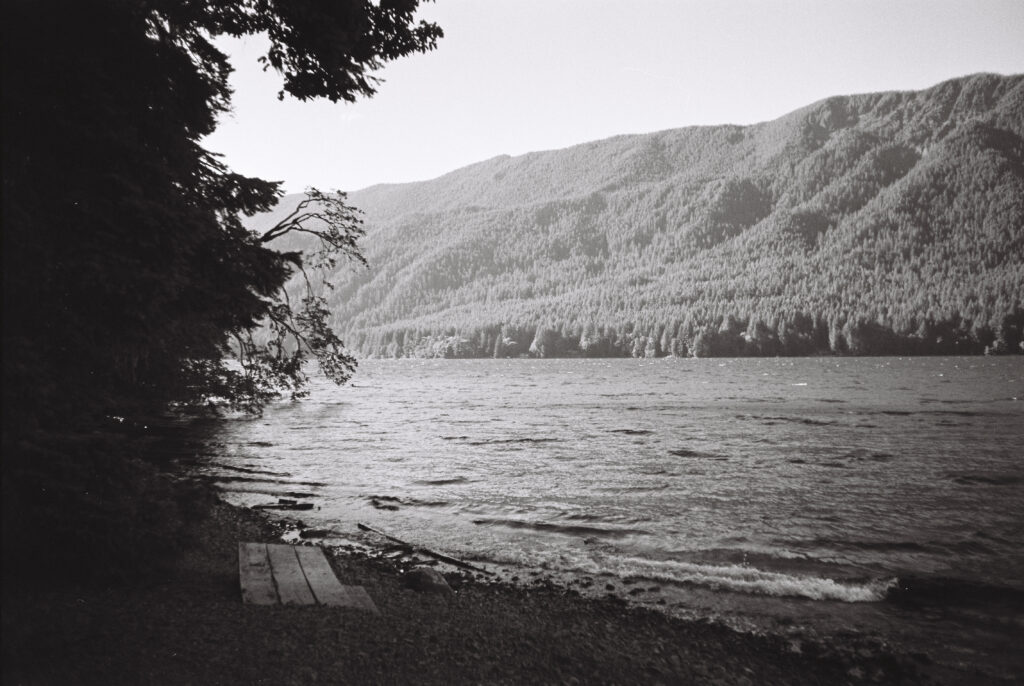
Outside of my “Waiting” series, I primarily photograph landscapes and city scenery. I recently joined the Seattle Photo Club, which has been a very welcoming community of photographers. There is probably a similar community online or near you if you’re interested!
Is there any advice you’d give to someone who would like to start photography?
I think the intriguing part of film photography is the inherent limit of photos you can take at a given time (usually 36 per roll) and the fact that you can’t immediately see the end results. So when a photographer is looking through the view finder, she is forced to be in the moment, breathe, point and click! If this sounds interesting to you, I definitely recommend it. There are many online resources that can guide someone with photography, which honestly can be a bit overwhelming. My suggestion is to not worry about “getting it right” and just go for it! Start with a disposable camera, which you can find in a store like CVS or Wal-Mart. It’s ok to make mistakes along the way, that’s kind of the fun of it.
Do you practice any other creative mediums?
Yes! I love dabbling in all sorts of creative mediums. I love playing piano, writing poetry, and making knick knacks. I’ve produced short films throughout my school studies and up to now. Most recently, I’ve been experimenting with using Super8 cameras or hand painted film (example here) as well as cyanotype, which is a UV light based form of photography, where the sun creates the photo! So many cool ways to take a photo and/or convey a feeling.
Is there anything I didn’t ask that you want to tell us about?
I am grateful for Cactus Cancer for providing a consistent and much needed space for creativity and healing within the AYA community. It has been such a needed experience for myself and I am looking forward to continuing my participation in community events!
Finally, give us a shameless brag, and tell us something you’re proud of! This can be an accomplishment, a piece of cool news, or something you’re really good at doing.
I was recently accepted into First Descent’s surfing retreat for AYA cancer survivors! I’m super excited to go surfing for the first time. I will absolutely be taking my camera with me to capture the waves.
Thank you so much for sharing your time, energy, and work with us, Valarie! If you’d like to follow Valarie’s work, you can follow her on Instagram @v.moti0n or Vimeo.