Three Things Young Adult Cancer Patients Tell Us All the Time

After more than a decade of working with young adults impacted by cancer, certain themes show up again and again. The diagnoses vary. Treatment paths look different. Life circumstances shift. Each experience is as unique as our young adults. But the emotional and physical aftereffects many young adults describe are remarkably consistent. The research backs this up. Research on adolescent and young adult (AYA) cancer survivorship highlights three of the most common long-term challenges: fatigue, fear of recurrence, and anxiety.

At Cactus Cancer Society, those same three themes come up in conversations and virtual groups with young adults across treatment, survivorship, metastatic disease, and long-term care. Here are some of the things we hear. 

1. “I’m exhausted, and no one seems to get it.”

Cancer-related fatigue isn’t just feeling tired. It’s the kind of exhaustion that doesn’t reset with sleep and often doesn’t show up clearly in labs or scans.

For young adults, fatigue collides with work expectations, school, dating, parenting, and the pressure to “get back to normal.” Many people tell us they feel misunderstood when their energy doesn’t match what others expect. This is especially true in survivorship, where there may be a societal expectation to “be back to normal now.”

What we see again and again is that fatigue isn’t something people can simply push through. It requires support that is flexible, validating, and realistic for people trying to live full lives alongside cancer.

2. “What if I relapse?”

A second theme we see in our groups is around fear of recurrence. Fear of recurrence is one of the most widely documented psychological aftereffects of cancer, and for good reason. It’s not irrational. It’s rooted in lived experience, ongoing symptoms, and the uncertainty that often comes with living life inside of cancer. 

For some young adults, that fear is consistent throughout treatment, for others, it surfaces years after treatment ends. For many, it remains part of daily life, especially for those living with metastatic or chronic cancer. 

3. “My brain won’t turn off.”

Anxiety is another experience young adult cancer patients name again and again in our online spaces. It can show up as racing thoughts, hypervigilance about symptoms, difficulty sleeping, or a constant sense that something might be wrong. Anxiety around scans is so common that young adults have coined the term “scanxiety” to illustrate the pattern of anxiety that arrives around scans. Sometimes that anxiety is tied to scans or medical appointments. Sometimes it shows up in everyday life—at work, in relationships, or when planning for the future.

For many young adults, anxiety isn’t just about cancer itself. It’s about the ripple effects cancer creates in identity, relationships, finances, and long-term planning.

So We Built a CE Course Around It

The Art of Survivorship is an on-demand continuing education course designed for social workers and helping professionals who support young adult cancer patients and survivors.

The course centers on the three aftereffects that research and lived experience consistently highlight for young adults with cancer:

  • Fatigue

  • Fear of recurrence

  • Anxiety

Rather than treating these as isolated symptoms, the course explores how they evolve across the cancer continuum and intersect with identity, access to care, culture, and life stage. We bring our experience in the creative coping space to help providers navigate these aftereffects and provide tools to young adults who might be saying, “I’m not sure what to say.” For many cancer survivors, their experiences can be hard to articulate. Creative coping and therapeutic art offer another way in. These practical tools offer regulation, expression, and meaning-making when words fall short. 

Over seven and a half hours, participants learn through:

  • Oncology social worker–led education

  • Survivor-led panels that center lived experience

  • Demonstrations of creative coping tools that can realistically fit into clinical and community settings

If This Sounds Familiar

If you work with young adult cancer patients and have ever thought:

  • “I see this all the time, but I’m not sure how to support them.”

  • “I wish I had more tools for this.”

  • “How do I help my clients use these tools outside of session?”

You’re not alone. And this course was built with you in mind! Register using the link below or share with a social worker who is looking to learn more about navigating these after effects with their patients. 

Learn more about The Art of Survivorship


Enter the Awkward Zone: YAAY 2026 and the Power of Advocacy

It’s March!


As you probably know, this month has a lot of things going on – St. Patrick’s Day (the 17th), Read Across America Day (the 2nd), and during this entire month, nominees will be raising money for the Young Adult Cancer Advocate of the Year (YAAY) award!


If you didn’t see the nominees, they are:
Mursal Bayaz

Clinton Endeche (Billy)

Tris Grady

Ben McGuerty & Olivia Tai

McKenzie Million 

Samantha Moreno-Ulibarri

Cody Morrison

Janelle Moxley

Emily Recco

Sarah Ross McHenry


Yes, I am a nominee again! I will be honest with you guys – I did not expect to be selected! I was expecting a whole new slate of great advocates to be chosen to raise money for Cactus Cancer. However, when I got the email, I had to accept the nomination.

You might be wondering why I accepted it, given my expecting it to be all new people? It’s simple: if you have a voice, if you have a platform, if you have a good story, why not use it? I raised a lot of money last year – $15,513 – I went in expecting to maybe raise $1,000, even though I set my goal at $5,000, I did that just to have an even number of “enough money to pay for 100 kits for workshops”, never expecting to get anywhere near that.

Then I kept getting email after email, notifying me of donations. Soon I sped past $1,000, then $3,000, then I hit $5,000, and even higher and higher (down to the last minute! I had something like 15 donations in the final 15 minutes!) – the amount of supporters I had shocked me. I ended up raising enough to pay for 310 kits! 

Over the past year, since my win, I have had a pretty decent year – I have met up with cancer friends and done some fun things (antiquing, trivia nights, eating tasty food, and other activities). I decided to reach out to my fellow YAAY winner (and friend!) Ashley Landi, and asked her for advice on everyone’s fundraising. She gave me the following advice: “It can be awkward and uncomfortable to ask people for money. Put yourself out there as much as you can because you never know how far of a reach you’ll be able to attain.”

So, if you want to raise money, you need to leave your comfort zone and enter the Awkward Zone!

However, I will tell you that advocacy is hard – you’re putting yourself out there. You are laying yourself bare for the world at large. You are deciding to go completely public with your diagnosis for anyone to find – be it your fifth-grade teacher or your elementary school bully, your work will be one of the first things to show up online about you (…depending on how common your name is). If you are going to tell your story, if you want to become an advocate, you need to craft your story – you want the genuine you to be felt in every word. As an advocate, you want people to feel what you feel and be able to walk in your shoes. You want them to know how the cause you are advocating for makes you feel – make your emotions felt, don’t be cold and clinical like your doctors are when talking about your cancer.

YAAY is about telling your story and spreading the message of Cactus Cancer’s mission. So I have told you guys my story, and you can read the stories of my fellow nominees on their pages, so I reached out to them asking them a question: “So, you’re participating in the YAAY. People know about our cancer experiences from our pages, and some might know us from the YA community at large. What’s something they might not know that you want to share? Maybe one of your hobbies, a TV show you’re enjoying, a song you can’t get out of your head, whatever comes to your mind!”

Janelle: “Lately, I’ve been watching The Traitors and The Beauty. I’m also watching Vanderpump Rules for the first time and really enjoying it! Some new songs I have been listening to are “I Don’t Think It’s The Right Time for Emojis” by Hot Mulligan, “Growing Up” by Hilary Duff, and “Gut Punch” by Nick Jonas. The elder emo in me always goes back to listening to old Taking Back Sunday, Fall Out Boy, and Dashboard Confessional, though! I enjoy aerial flow yoga classes and Broadway shows/musicals in my free time. I saw “Dear Evan Hansen” last week at a local theater and “Stereophonic” in downtown Chicago earlier this month.”

Tris: “Something people might not know about me is that I’ve been trying to share my Puerto Rican roots over the last few years with my husband and daughter. I’m half Puerto Rican on my mom’s side, and after losing her last year, I’ve been trying to make more of an effort to share the culture, not only because it’s played such a big part of my life, but because it’s up to me to pass that down to my daughter. We’ve visited the island as often as we can – we most recently were there last summer for Bad Bunny’s residency! I’ve been learning to make some new recipes, reading up on the history of the island, and brushing up on my Spanish (I’m unfortunately a no sabo kid IYKYK).”

Emily: “Something people might not know? I still laugh. A lot. My life is not all heavy conversations and medical terms. There are dance parties in the kitchen, messy school mornings, and moments where cancer feels like background noise instead of the headline. I don’t want cancer to be my whole identity. It’s part of my story — but it’s not the whole book.”

Ben & Olivia: “Olivia and I were lucky enough to work in Hawai’i for six weeks in the summer of 2022. We had such an amazing time, and since then, have made it a point to try and experience more with each trip back. We had our wedding on the Big Island. We have done just about every hike at Hawaiian Volcanoes National Park. We had been up and down and all over the island. However, we had never been lucky enough to be on the island during a volcanic eruption. That is, until our most recent trip. 

We arrived on the island on January 22nd. On the morning of the 24th, there was a little lava visibly overflowing from the vents on the park’s volcano cams, so we started the two-hour drive across the island to see our first eruption. When we were getting close to the park, we could see crazy clouds and colors rising in a dark column. As we arrived at the entrance, ash and pieces of tephra (light pieces of lava, ranging in size from pebbles to beach balls) were falling in the area like new snow. From the overlook at Volcano House, we were able to see two separate 1,500 feet-tall fountains of lava.

It was easily the coolest thing I have ever seen in my life. We felt pure joy and adrenaline. Many amazing things happened to us in the past three years of cancer, but those took place amidst crisis and in spite of despair. The natural display of a volcano erupting mirrored our internal release of all the trauma and grief from these three years. We’re still buzzing from the high of the experience, and can’t wait to return to one of our favorite places on Earth.”

Samantha: “Something that everyone may not know about me is that at the age of 30, I had already been skiing for 28 years. My parents decided to start teaching me at 18 months old, so I basically learned it while I learned to walk, and I still love to do it to this day. I assume this long history with the mountains is why I love and miss them so much – whether I’m skiing, hiking, or just basking in their glory, the mountains are my favorite place to be!”

Sarah: “One thing that many people may not know about me is my involvement in the realm of childhood cancer. When I was younger, as a survivor, I had no clue as to the support that had been created for children with cancer. It was not until after my young adult diagnosis and becoming involved in the AYA population. I had never even met another childhood cancer survivor. When attending CancerCon (a conference for AYA cancer) a few years ago, while in conversation with a volunteer with whom I shared that I was a pediatric neuroblastoma survivor, she told me that she actually knew another survivor of neuroblastoma. Through that person, I was put into contact with my now good friend Mariah, who made a huge difference in my life, and through her, I became involved with the Coalition Against Childhood Cancer (which is an awesome organization).  Not long after meeting Mariah, I quickly became involved in CAC2, and have been able to digitally volunteer for the Toolkit that they created, as well as work on other projects that they are doing. Being able to finally meet other pediatric survivors as well as become involved and help, has made a huge positive impact on my life. Two of my all-time favorite bands are Mumford and Sons and Florence and the Machine. I am not one for loud places, especially the slightly chaotic environment of a concert. So far, those have been my two ‘bucket list’ concerts. As Mumford and Sons had broken up a while back, I didn’t think I would get the chance to see them. That changed as they went back out on tour last year, and I was able to go. It would be safe to say that Florence and the Machine is my favorite band, and their music really helped me during my leukemia diagnosis and treatments. I am very excited as I will finally be seeing them live later this year. “

For me, one of my hobbies is genealogy – family history. If you are interested in genealogy and want to learn how to do it, it’s easier than you’d think! You don’t need to pay to do it – not even a free trial somewhere! You can make a free account on Ancestry.com (you do not need a free trial!) and make a tree that is private and unsearchable, then you go to FamilySearch.org and use that to research. For Americans, start out by looking at people who you know were alive in 1949 or earlier – they should be in the 1950 Federal Census. Then you go back from there.

In terms of music? I have been listening to MUSCLE MEMORY by BLÜ EYES (check out her other songs, they might resonate with you – she’s a chronically ill musician) and whatever Spotify has put on my Discover Weekly, Release Radar, and Daylists.

Need a TV show? I’ve been watching The Pitt and Hacks. In case you haven’t seen The Pitt, it’s a medical show that takes place in an ER – each episode takes place over one hour of a shift, and it is very realistic medical-wise (at least from what I have read). Hacks is a dark comedy about an aging Vegas comedian who needs to freshen up her act to keep her show and ends up hiring a writer to help her out. The two bond over time.

Now, if you want to dip your toes into advocacy, you should check out Cancer Nation– they help bring together individuals who are affected by cancer and work with the people who can cause change to help improve the quality of care and life post-diagnosis.

So what if you don’t want to get into advocacy, but you want to help others? I’ve linked to peer support organizations like Imerman Angels and Cancer Hope Network in the past, but some cancer-specific organizations have ones, like Blood Cancer United’s First Connections Program, the Colorectal Cancer Alliance’s Buddy Program, and Young Survival Coalition’s Peer Matchmaking (YSC is a breast cancer organization).

I hope all of you have a wonderful March, and I will talk to you again in April (the first week of April is AYA cancer week!). If anyone has a question for me, wants a specific resource, or wants me to write on a specific topic, message me on Instagram: @codyhatescancer or email programs@cactuscancer.org

Do you have a YAAY nominee you want to support? There are a few ways you can support your favorite nominee(s):

  1. Donate to their campaign! If you can only donate a dollar – donate a dollar!
  2. Share their social media posts!
  3. You can start your own fundraiser and join their team!
  4. Cheer them on! Encourage them on social media, text messages, letter, carrier pigeon, however you want to communicate with them!

How do you do the third one? You click on the link to their page up above, and then click on the green “Fundraise” button next to “Team Members” – put in the information for your page (and make sure to select the person you want to raise funds under! This is very important!), and then you are set up!

Cancer Didn’t Come With Instructions. Ask Perrie.

Young adult cancer comes with pamphlets. Port scars. Schedules. Acronyms. Follow-up appointments. 

It does not come with instructions.

There’s no chapter on how to tell someone your diagnosis, how to handle the grief that comes, or what to do when your family and friends feel like they don’t understand. There isn’t an appendix on dating while bald, marriage while sick, or how to navigate cancer ghosting. You won’t find a flowchart for “Why am I angry even though I’m alive?” You won’t find an FAQ for how to handle caregiving without burning out. And trust me when I say there isn’t a secret footnote explaining why your body feels unfamiliar or why losing your hair feels so emotional. 

And yet, the questions keep coming.

At Cactus Cancer Society, we hear them all the time. In DMs. In workshops. In the pause before someone says, “Okay, this might sound weird but…”

It’s not weird. It’s young adulthood colliding with cancer. And that’s complicated stuff. So I’m making space for the questions that don’t fit neatly into a medical visit, the ones you Google at 2 am, or that you feel scared to say outloud. 

I’m Perrie (okay, it’s me, Lauren Morales, the Senior Program Coordinator writing under a pseudonym!), a licensed clinical social worker and young adult Hodgkin Lymphoma survivor who has spent years working alongside young adults impacted by cancer. I’ve sat in hospital rooms, on both sides of the chair. I’ve been in the infusion rooms and support groups. I’ve also helped support folks throughout their treatment and in the post-treatment “WTF just happened” space. I’ve heard the questions people whisper and the ones they laugh off (I’ve had them myself…..) And I know how isolating it can feel to carry them alone.

Ask Perrie is Cactus Cancer Society’s new advice column for young adults navigating every phase of the cancer experience, from diagnosis to treatment to survivorship to recurrence, and for co-survivors walking alongside them. This isn’t therapy. It’s perspective. Context. Language for the things that feel hard to name. Honest, thoughtful responses grounded in real, lived, and professional experience.

This is where you can ask questions like:

I’m surviving, but I am so sad, and everyone keeps just telling me to be grateful. Does that make me ungrateful?
Is it bad that I can’t listen to my friends complain about “normal” things anymore?
How do I date in this body, and when do I know I’m ready?
Why does everyone think I’m strong when I feel completely and totally exhausted?
How do I deal with my friend ghosting me since I told them I was diagnosed?
How do I support my partner/family member without disappearing myself?
Who even am I now?

Each month, Perrie will answer submitted questions with nuance, compassion, and the occasional gentle reality check. Because you deserve answers that treat you like a whole person, not just a diagnosis. Questions will then be posted online in our blog, socials, and newsletter. 

Submit your question anonymously here.

Cancer didn’t come with instructions. Let’s write some together.

When It’s 2 AM and You Need to Talk: Crisis & Immediate Emotional Support

There’s something about the middle of the night that makes everything louder. The worries. The what-ifs. The “what now?” questions that cancer tends to drop like surprise confetti. When you’re wide awake with your mind racing and your heart doing that anxious thump, it can feel like you’re the only one in the world who’s up.

I am here to tell you, you’re not.

If you’re navigating cancer as a young adult, you already know how heavy it can be. The physical toll is only part of it….the emotional weight, the isolation, and the “no one gets it” moments are often just as real. But here’s the thing: you don’t have to face it alone, not even in the middle of the night. There are people (real ones, not robots or recordings) who are awake, trained, and ready to listen.

You Deserve Support, Right Now

Reaching out for help doesn’t mean you’re weak. It means you’re human. Sometimes you just need someone to hold space for you: no fixing, no judgment, just someone who hears you. That’s what these crisis lines are here for. Whether you’re dealing with panic, suicidal ideation, grief, loneliness, or hopelessness, they exist, so you don’t have to carry them alone.

The resources below are here 24/7, for whatever you’re facing. As you explore, trust your instincts; you know what feels right and what doesn’t. Feeling safe and understood is non-negotiable when it comes to your mental health. Sometimes, even the most amazing friends, family, or Cactus Crew can’t hold every tough feeling that comes up with cancer, and that’s totally okay. These lifelines are here to step in and support you when things feel too heavy to handle alone.

💬 988 Suicide & Crisis Lifeline

Call or text 988 | 988lifeline.org
This is the big one — the main line in the U.S. for anyone in emotional distress. You can call, text, or chat online 24/7. You’ll connect with trained counselors who know how to talk through crisis moments, big or small. You don’t have to be suicidal to reach out. Maybe you just feel like everything’s too much. They’ll listen.

📞 American Cancer Society Helpline

Call 800-227-2345 | cancer.org
Cancer brings a lot of “how do I even deal with this?” moments. The ACS Helpline is staffed by folks who can help with everything from emotional support to practical questions about treatment, transportation, and resources. They get the full picture — the logistics and the feelings.

Cancer Support Community Helpline

Call 888-793-9355 | cancersupportcommunity.org
If you want someone who understands cancer-specific mental health needs, CSC has you covered. Their trained oncology professionals are available 24/7 to talk, listen, and point you toward tools and support tailored to what you’re going through.

Crisis Text Line

Text HOME to 741741 | crisistextline.org
Sometimes talking out loud feels like too much. Crisis Text Line offers a totally text-based option. You’ll be chatting with a real human (not AI) who’s trained in crisis response and emotional support. Free, confidential, and open all the time.

Lifeline Chat

988lifeline.org/chat
If you’d rather type than talk, Lifeline Chat lets you connect with a counselor online. It’s private and can feel easier if you’re not ready to pick up the phone.

Warmlines Directory

warmline.org
Not every hard day is a crisis day. Sometimes you just need connection: someone to say, “yeah, I get it.” Warmlines are peer-run, meaning the people on the other end have lived experience with mental health challenges. They’re there to talk, listen, and help you feel less alone.

Why It Matters

Mental health support doesn’t have to wait until things hit a breaking point. You deserve care before it feels like an emergency. And if it is an emergency, you deserve care that meets you exactly where you are. These resources are free, confidential, and available 24/7 because your life and your mental health matter every hour of the day.

If you ever find yourself staring at the ceiling, wondering who to call, start here. You don’t have to have the perfect words. You don’t have to know what to say. You just have to reach out.

You’re Not Alone in This

At Cactus Cancer Society, we believe in the power of connection because healing happens in community. Whether it’s through art, conversation, creativity, or care, we’re here to help you find your people and your peace.

Explore our full Mental Health & Peer Support Resources page to find more organizations, groups, and programs that get it.

You’re not a burden. You’re not overreacting. You’re a human being doing your best in an impossible situation and you deserve support right now.

When Cancer Isn’t Just Physical: Taking Care of Your Mental Health

Cancer doesn’t just change your body. It can reshape your identity, your plans, and your connection to the world around you. For many young adults, the emotional side of cancer can hit just as hard (if not harder) as the physical side, and it often lingers long after treatment ends.

Let’s get one thing straight: struggling doesn’t mean you’re weak. You’re responding to an extraordinary situation. The fear of recurrence, the brain fog, the sadness, the grief, the “what now?” questions, they’re normal reactions to an experience that turns life upside down! You are a human going through something extraordinary. 

Before you dive in further into this article, I want to invite you to take a breath and check in with yourself. Notice your emotional weather. If this feels heavy, pause and come back later. This content is here to support you, not overwhelm you, when you are ready. 

Below I’m going to talk about some of the common emotional responses to cancer, some of my lived experience, and recommendations I have to help support yourself inside of these experiences. 

The Emotional Whiplash of Cancer

When you hear “you have cancer,” your body can go into survival mode. Suddenly you are focused on making it to your next round of chemo or radiation, it can be common to feel as though you blinders on to the rest of the world while you navigate treatment. As your body begins to navigate the uncertainty of cancer, you might start to notice mood changes like depression, anxiety, or panic. 

You might feel it as restlessness before scans, dread before appointments, or sadness that doesn’t quite lift. These reactions are common, and I’ve had them! They’re not character flaws, they’re how your mind and body respond to uncertainty and loss. Even if treatment ends, these symptoms can stick around like uninvited guests or amplify. For me, this has felt like emotional whiplash. I went from auto-pilot in treatment to feeling completely overwhelmed in survivorship. 

A quality therapist can help you identify what you’re feeling and give those feelings room to breathe. Healing isn’t about being positive all the time; sometimes it’s about being curious, brave, or just willing to try again tomorrow. Research shows that therapists such as Acceptance and Commitment Therapy, Cognitive Behavioral Therapy, and Mindfulness are tools that can help survivors navigate the emotional whiplash of cancer. For me, I’ve found that Somatic therapies like EMDR (Eye Movement Desensitization and Reprocessing) and IFS (Internal Family Systems) to be very helpful in working through trauma. 

And something to remember small steps matter: getting out of bed, texting a friend, or joining a support group all count as movement toward healing.

The Grief That No One Talks About

Cancer brings loss in so many forms: health, independence, fertility, friendships, even the future you once imagined. This kind of grief doesn’t always get the validation it deserves. In psychology we often call this disenfranchised grief: grief that is not or cannot be openly acknowledged, publicly mourned, socially supported, or that is misunderstood or trivialized. People might say, “At least you’re alive,” when what you really need is validation and, “I know this is hard, I see you.”

Grief after cancer isn’t linear. You might feel peace one day and frustration the next. That’s okay. Think of grief as something you grow around, it doesn’t disappear, but you slowly learn to live alongside it. Grief isn’t a failure to move on. It’s evidence of how deeply you’ve lived, loved, and changed. Making space for your feelings of grief, talking about it with other YAs or survivors can often be an important step in learning how to hold grief compassionately. 

Body Image, Identity, and the Self You See Now

Many survivors struggle to recognize themselves after cancer. Scars, hair loss, swelling, weight changes……they’re visible reminders of what you’ve been through. And sometimes, it’s not just “I look different,” it’s “I feel different.”

Maybe intimacy feels different. Maybe mirrors feel like strangers. Research shows one in three survivors experiences lasting body image distress. These feelings are real and they’re workable.

Therapies that include body awareness, self-compassion, and narrative work can help you rebuild trust with your body. The goal isn’t to “get over it.” It’s to reclaim your story and reconnect with the self you see now.

When the Body Remembers: Medical Trauma

Cancer can be traumatic, period. The diagnosis, the hospital smells, the needles, the waiting rooms. Even years later, certain sounds or places can trigger physical reactions like nausea, panic, or tension. That’s called medical trauma, and it’s common.

You’re not overreacting. Your nervous system learned to protect you. Trauma-informed therapies, like EMDR, somatic work, or CPT (Cognitive Processing Therapy), can help your body learn safety again.

You can heal. You can trust your body again. It just takes time and the right kind of support.

Finding a Therapist Who Gets It

You deserve care from someone who understands that cancer doesn’t end when treatment does. A good therapist can help you process what’s happened, rebuild your sense of self, and learn new ways to live meaningfully with what’s changed.

Here’s how to start:

How to Find a Therapist

Search for professionals who specialize in oncology, chronic illness, or trauma.

  • American Psychosocial Oncology Society (APOS): Therapist directory focused on oncology support.

  • Psychology Today and TherapyDen: Let you search by specialty, identity, and location.

  • Inclusive Therapists: A directory centering BIPOC, LGBTQ+, and marginalized communities.

Most cancer centers also have social workers or psychologists who can refer you to trusted providers. And if in-person therapy feels hard to manage, telehealth sessions can make accessing care easier.

What to Look For

Credentials matter, but comfort matters more. Research shows the therapeutic relationship,  how safe and understood you feel,  is the strongest predictor of healing (Wampold & Imel, 2015).

When interviewing therapists, you can ask:

  • Have you worked with people affected by cancer or chronic illness?

  • How do you support clients with medical trauma or scanxiety?

  • What’s your approach to grief or body image?

Trust your instincts. You deserve a therapist who feels like a safe space, not another appointment to endure.

Mental Health Resources for Young Adults Impacted by Cancer

If you’re ready to start looking for support but not sure where to begin, Cactus Cancer Society has compiled a directory of trusted mental health and peer support resources just for young adults impacted by cancer.

Here’s a preview of what you’ll find there:

Inclusive & Culturally Affirming Directories

  • Inclusive Therapists — Find BIPOC, LGBTQ+, and affirming therapists across the U.S.

  • Therapy for Black Girls — A thriving community and therapist directory for Black women and girls.

  • Therapy for Latinx — Connect with Latinx-identifying, culturally responsive therapists.

  • Asian Mental Health Collective — Community and therapist directory focused on reducing stigma in Asian communities.

  • StrongHearts Native Helpline — 24/7 culturally grounded emotional support for Native Americans (1-844-7NATIVE).

Affordable Therapy Options

  • Open Path Collective — Sliding-scale therapy starting around $40–$70 per session.

  • TherapyDen — Inclusive therapist directory with filters for race, gender, and faith.

  • Psychology Today — Comprehensive national therapist directory with location and insurance filters.

Specialized Support

  • Neurodivergent Therapists Collective — For neurodivergent individuals seeking affirming care.

  • HeadsUpGuys — Resources for men’s mental health.

  • Give An Hour — Free counseling for veterans, survivors of violence, and those facing illness.

These resources were chosen with young adults in mind — people who need care that’s flexible, inclusive, and holistic. Take your time exploring. The right fit is out there.

The Strength to Keep Going

Taking care of your mental health isn’t about fixing what’s wrong. It’s about nurturing what’s still growing. You’ve already made it through so much,  that’s resilience! Therapy, support, and community can help you move from just surviving to truly living.

If you’re ready to find support that gets it, explore our full Mental Health & Peer Support Resources for Young Adults Impacted by Cancer. You’re not alone in this. Help is here — and you deserve it.

References

Álvarez-Pardo, S., López-Sosa, B., Pérez-Fuentes, M. D. C., & Gázquez-Linares, J. J. (2023). Factors associated with body image and self-esteem in mastectomized breast cancer survivors. International Journal of Environmental Research and Public Health, 20(6), 5154. https://doi.org/10.3390/ijerph20065154

Bui, K. T., Liang, R., Kiely, B. E., Brown, C., Dhillon, H. M., & Blinman, P. (2021). Scanxiety: A scoping review about scan-associated anxiety. BMJ Open, 11(5), e043215. https://doi.org/10.1136/bmjopen-2020-043215

Cowles, K. V., & Rodgers, B. L. (1991). The concept of grief: A foundation for nursing research and practice. Research in Nursing & Health, 14(2), 119–127. https://doi.org/10.1002/nur.4770140207

Hayes, S. C., Strosahl, K. D., & Wilson, K. G. (2011). Acceptance and Commitment Therapy: The process and practice of mindful change. Guilford Press.

Hofmann, S. G., Asnaani, A., Vonk, I. J. J., Sawyer, A. T., & Fang, A. (2012). The efficacy of cognitive behavioral therapy: A review of meta-analyses. Cognitive Therapy and Research, 36(5), 427–440. https://doi.org/10.1007/s10608-012-9476-1

Kabat-Zinn, J. (2003). Mindfulness-based interventions in context: Past, present, and future. Clinical Psychology: Science and Practice, 10(2), 144–156. https://doi.org/10.1093/clipsy.bpg016

Kübler-Ross, E., & Kessler, D. (2005). On Grief and Grieving: Finding the meaning of grief through the five stages of loss. Scribner.

Niedzwiedz, C. L., Knifton, L., Robb, K. A., Katikireddi, S. V., & Smith, D. J. (2019). Depression and anxiety among people living with and beyond cancer: A growing clinical and research priority. BMC Cancer, 19, 943. https://doi.org/10.1186/s12885-019-6181-4

Oncology Nursing Society. (2018). Post-traumatic stress disorder (PTSD) in cancer survivors. Retrieved from https://www.ons.org/publications-research

Porges, S. W. (2011). The Polyvagal Theory: Neurophysiological foundations of emotions, attachment, communication, and self-regulation. W. W. Norton & Company.

Shapiro, F. (2017). Eye Movement Desensitization and Reprocessing (EMDR) Therapy: Basic principles, protocols and procedures (3rd ed.). Guilford Press.

Spiegel, D., & Classen, C. (2000). Group therapy for cancer patients: A research-based handbook of psychosocial care. Basic Books.

Tedeschi, R. G., & Calhoun, L. G. (2004). Posttraumatic growth: Conceptual foundations and empirical evidence. Psychological Inquiry, 15(1), 1–18. https://doi.org/10.1207/s15327965pli1501_01

Tonkin, L. (1996). Growing around grief: Another way of looking at grief and recovery. Bereavement Care, 15(1), 10. https://doi.org/10.1080/02682629608657396

Uchino, B. N. (2006). Social support and health: A review of physiological processes potentially underlying links to disease outcomes. Journal of Behavioral Medicine, 29(4), 377–387. https://doi.org/10.1007/s10865-006-9056-5

Wampold, B. E., & Imel, Z. E. (2015). The Great Psychotherapy Debate: The evidence for what makes psychotherapy work (2nd ed.). Routledge.

White, M., & Epston, D. (1990). Narrative Means to Therapeutic Ends. Norton.
An Invitation to Slow Down: Yoga Nidra 2026

Rest is not always easy, especially when your body and mind have been shaped by cancer, treatment, or the long tail of everything that comes after. In 2026, Cactus Cancer Society continues our Yoga Nidra program, in partnership with our friends at Elephants and Tea.

Yoga Nidra is a guided meditation practice designed to support deep rest while maintaining a sense of awareness. Often called “yogic sleep,” it offers a way to settle the nervous system without effort, movement, or prior meditation experience. You do not need to know how to meditate. You do not need to arrive calm. You do not need to clear your mind, sit still, or do anything “right.” You simply need a place to rest and listen! 

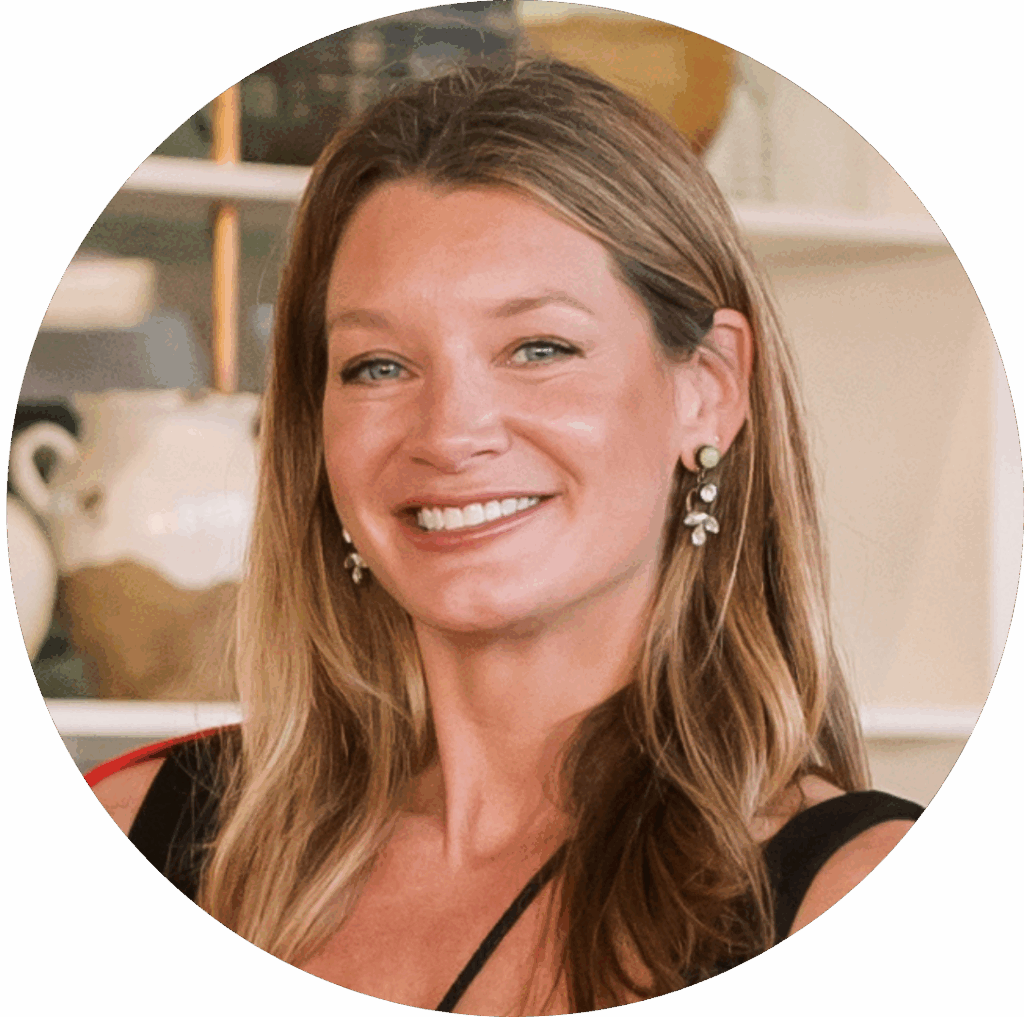
Guided Yoga Nidra Meditation with Mamma G

Join Angie Giallourakis (aka Mamma G), Cactus Cancer Society, and Elephants and Tea for a seasonal series of guided Yoga Nidra meditations. Each session is centered around a different theme and is an hour-long meditation that you can participate in the comfort of your own home (wear your PJs, turn off your camera, and get comfy, we won’t judge!) You are welcome to attend a single session or join us for the full series. Come in pajamas. Come from the couch. Come exactly as you are.

Whether you are navigating treatment, survivorship, caregiving, or the in-between spaces that rarely get named, Yoga Nidra offers time to pause, listen inward, and reconnect with yourself in a supported way. 

2026 Session Themes and Dates

All sessions begin at 8:00 pm ET.

February 9, 2026
Connecting to the Energy Within

March 2, 2026
Coming to Awareness

April 6, 2026
The Objective Observer

May 4, 2026
Tapping into Your Joy

These Yoga Nidra sessions are not about fixing or achieving anything. They are about creating space to rest, reflect, and be held in community. Hopefully, you will leave refreshed and with a new tool in your “coping toolbox”! We look forward to practicing alongside you in 2026, blankets and all.

Desert Dispatch: A Sustainability Pop-Up

I love projects that feel intentional and a little rebellious in the best way. The kind that invites you to slow down, touch real paper, and make something without pressure or performance. That’s Desert Dispatch.

For a limited time, Cactus Cancer Society is releasing a Desert Dispatch Sustainability Pop-Up, a limited-edition art experience with just 50 dispatches available. Created by young adult cancer patients, survivors, and caregivers, each dispatch delivers creativity, connection, and a moment worth savoring straight to your mailbox. Paper still hits different.

Continue reading

Cody’s Corner: YA Cancer Groundhog Day

Hey everyone, I hope that your February is starting off well! As we enter February, that absolutely chilling month (at least here in New Jersey), thoughts dance through the mind: The Valentine’s season (who doesn’t like some sweets now and then?), Groundhog Day (both the movie and the event where the woodchuck weatherman makes his predictions), and of course, “Why is February so short?”

With that last one, I am not a calendar master or holiday guru, but I would like to point out an important day that comes every February (…no, not Groundhog Day): Rare Disease Day, which takes place on the last day of February (so, in leap years it’s on February 29th!) – it is a day dedicated to raising awareness for rare diseases like LGL Leukemia. If you want to find out more, go to either RareDiseaseDay.org or the National Organization for Rare Disorders page on it.

Now I’d like to talk about the other important holiday that comes every February 2nd… Groundhog Day! Groundhog Day, if you don’t know about it, is a day where people flock to the small town of Punxsutawney, Pennsylvania to hear from Phil, its resident groundhog meteorologist, as to whether or not there will be six more weeks of winter. I’m hoping that this year, Phil doesn’t see his shadow (meaning winter will end when it should) because we need to have the frost leave the land sooner rather than later – we need the warmth of spring to arrive to wake up the grass and trees.

Groundhog Day, 1993
Groundhog Day, 1993

Have you ever seen the movie Groundhog Day? If you haven’t, it’s a great philosophical comedy from 1993 (yeah, I know, those words sound a bit odd together – but it works!) starring Bill Murray where he plays a cynical weatherman named Phil who is sent to Punxsutawney, PA to cover the Groundhog Day festivities – he is not a fan of the groundhog who shares his name. However, for reasons unknown, he gets stuck in a time loop – he must repeat the same day over and over and over again. The movie has everything from drama to comedy to romance – I cannot more strongly recommend it as something for you to watch every February 2nd (or whenever the mood strikes!).

Now, why did I bring up that movie, aside from it being one of my favorites? It’s because the cancer experience can feel like we are trapped in a loop – especially those of us who will never be rid of our unwanted intruders. I live my life through routines – every 28 days I get blood drawn at a Memorial Sloan Kettering Cancer Center location, with every third time taking place with my managing oncologist/the clinical trial team in New York City, and every eight weeks I go to an oncologist here in New Jersey who monitors my counts. I live my life blood draw by blood draw – that is life with chronic cancer; my life was like that before the trial (especially during my “medication vacations”) and even more so now that I am in a clinical trial where every little thing has to be reported to the trial team (understandably so!). I get asked that classic question: “Are you having fevers, chills, night sweats, diarrhea, or constipation?” to the point where I rattle off the question to them (alongside my answers), which they always find funny (or surprises the new people!).

Soon, Cactus Cancer Society’s Second Annual Young Adult Cancer Advocate of the Year fundraising competition will begin. As you know, I was one of the winners of the inaugural award. The second YAAY will start in February and will run for eight weeks through Cactus Cancer Society’s 11th Birthday Bash on April 11th! The person who raises the most money will receive a trophy, along with the title of Young Adult Cancer Advocate of the Year. If you can, try to support those that you feel are deserving of the title in any way you can – donate money, share posts on social media, print out flyers, help the nominees raise money for this organization that connects us all.

In the realm of chronic cancer, it can take a bit of time, but eventually the truth settles in; the truth that we will have this thing accompanying us for the rest of our days. Thoughts can swirl through the mind – “What will my life be now?” “Will cancer dominate my days?” “Are my best days behind me? I’m too young for that!” “What do people expect out of me now?” and so many other things. Our lives are what we make of them – how we steer our boat through the rough waters of cancer (it doesn’t matter if you have an “easy” cancer or one that requires every treatment around and then some – cancer is cancer is cancer). If we want, we can hunker down and push on through treatment without talking to another YA and then leave cancer in the dust as best we can. You could also dive headfirst into the YA community and immerse yourself in all there is. You can do anything in between – you are you, and you know yourself best and find what works for you, but try a group once or twice before deciding what you are going to end up doing. Personally, I am a fan of “the more, the merrier” and after I built up the courage to do so (…it only took seven years into cancer, but only close to three years into Zoom groups being prevalent), I…thrived in groups. I blossomed, I flourished – one thing I never expected to get out of cancer was friends, but that’s one thing that just happened. I get to have these people who understand what cancer is like – none of us can walk in each other’s shoes (even if we have the same cancer), but we know what these times feel like. We bond over our horrible commonality because we are all in the same club for years to come – it doesn’t matter what type of cancer you have or had because you are a member of the young adult cancer community for life. Even when you age out, you become a YA alum – it doesn’t matter if you are 18 or 80, you will always remember that feeling of “Oh crap, I am only starting my life/career/family, and I have CANCER?!”

We got cancer because it was luck of the draw – none of us went, “Oh boy! I have cancer! Hell yeah! Go me!” We went, “Crap. I have cancer? That explains my symptoms/scan results/blood tests/insert whatever is applicable for you here.” We didn’t eat one donut too many or not drink enough green drinks, the factory workers in our body just didn’t notice some bad cells going out, and those cells decided to go on a rampage.

So as you enter February, take a moment to pause and relax – keep yourself warm on the inside, because it isn’t on the outside (…at least here). Contemplate how the start of the year has gone – if it has been going well, let the rest of it be great! If it’s off to a bad start, well, I hope it gets better soon – especially if it is due to events or circumstances outside of your control.

Links, Links, Links!

In terms of resources, the Cancer Support Community of Los Angeles has their bi-monthly Young Adult Game Night coming up on February 24th, it will be from 8:00-9:30 PM Eastern/5:00-6:30 PM Pacific. It’s always fun – and sometimes there are prizes! So come and sit on Zoom, play some games, and meet new friends!

The Expect Miracles Foundation has also opened applications for their Financial Assistance Grants, which provides up to $1,750 for essential living expenses. The application closes on February 19th.

As always, if you ever want to reach out to me, I am on Instagram: @codyhatescancer.

Got a question for Cody or want him to write on a specific topic? Reach out to us! programs@cactuscancer.org

Cody’s Corner: New Year, Same Me, & a Slightly Bigger Bubble

Welcome to 2026! Yes, it’s already 2026…somehow. No idea how we’re over halfway through
the decade, but that’s what my calendar says!

2025 is over with – let the last of that year fade away like the vestiges of warmth after leaving the
cocoon of blankets on your bed in the morning.

I hope all of you ended 2025 (or welcomed 2026!) in your ideal way, be it a party with friends or a relaxing night at home. For me, I usually spend it at home with my parents and sister watching movies and eating hors d’oeuvres that my mom made. We’ll turn on the Times Square ball drop around 11:30 or thereabouts and count down when the clock runs towards the final seconds of the year: ten, nine, eight, seven, six… and when it hits midnight, we’re in 2026!

Every single thing we do after that is the first time that we have done that since 2025. Take a breath one second into the new year? That’s your first breath of the year! Take a sip of a drink? Wow! You haven’t drunk anything in a year! What are you doing next in 2026?

At the start of the year, many people make New Year’s resolutions – I remember reading a study once that said only around 10% of resolutions are kept. Personally, I’m not a resolution kind of guy – but the stereotypical resolution involves dieting, exercise, or some other kind of societal pressure. I have never been a resolution setter, but I will sometimes do a personal inventory -nothing formal, just a quick look inside and see what Inside Cody is saying. Then I’ll see if I can categorize these wants and needs and figure out the difficulty level of it. I’ll have short term (1-2 month), medium term (3-6 month), and long term (6-12+ month) goals – most of mine are in the short and medium term, since with a chronic cancer I can’t really go “five years from now…” (who knows where I will be in terms of treatment? Right now I am doing well on my trial, but who knows how long I will be doing this well?). I need to focus on the here and now, while having a bit of an eye looking towards the future.

Now you might be wondering, “What things might you want to do in 2026, Cody?” Honestly, I
don’t know. I have a rough sketch of my year – I will probably try to write a few articles for
Elephants & Tea I’ve been thinking about applying for a scholarship to Stupid Cancer’s Cancer Con  in Seattle from April 30th to May 3rd. Scholarship applications open January 5th and close January 19th, and I am going to try my darndest to attend Young Adult Cancer Camp, which is put on by Elephants and Tea and Young Adult Survivors United. If you haven’t been to that camp, I highly recommend it.

This year I will continue to attend some of my favorite Cactus Cancer Society programs: Coffee & Oodles, 30 Minute Tune Up, and the Guy’s Discussion Group. I don’t know what else I will do
this year, but I will definitely keep you guys up to date – maybe there will be something that you
will also be interested in trying out!

As I write this article, snow blanketed my yard overnight. Birds keep flocking to the window
feeder that we have (and most of them are fleeing before I can get a picture!). The snow is nice
and fresh – untouched by animal paw prints and people (…for now). Here’s a photo of my yard
that I took while taking a break from writing this.

2026 is a new year – we don’t know what awaits us, no matter how hard we glare at the snow in
the field that is the next 365 days. We might find some great things, we might encounter some
horrible things, and we’ll hopefully have a lot of bland, boring days in the year ahead. Now that
my chronic cancer is stable I adore the bland, boring days. I have my days where I am
interesting – I will always have those days by virtue of having a rare cancer, my body will
inevitably do something to interest someone (even if it is just a one-time abnormal result on a
blood test), but I hope to avoid those days as much as I can.


While I relish the bland and boring, every day being the same is nice…to a point – it’s a warm
comfy blanket of sameness, it’s the place you feel the safest, the comfort zone. Leaving the
comfort zone is hard, why would I ever want to do that? It becomes boring doing the same thing
day after day, so occasional steps outside of the comfort zone are necessary.


Leaving the comfort zone is especially difficult for me – I’ve mentioned in the past that I am
autistic, and one of those stereotypical autism traits is that we don’t like change. That rings true
with me! I dislike change, I don’t like spontaneity, I don’t like things being shaken up. When I go
on a trip, I make an excel spreadsheet beforehand with restaurants and activities saying what
day we should go to what restaurant for what meal, what activities should happen that day, and
I all but schedule our free time! I take comfort in the schedule, comfort in the routine, I know
what is coming up; sure, a wrench might be thrown in the works every once in a while, but those
are ideally few and far between.


This year, I will expand the bubble that is my comfort zone. I will try to meet up more with my
cancer friends (some of us already meet monthly for a trivia night at a local restaurant!) so
meetups with them are firmly in my comfort zone. I will push as much as I semi-comfortably can,
since you cannot leave your comfort zone without some discomfort; some unpleasantness, even
while doing fun activities, will always be present – the anxious brain loves doing that.
When I write these articles, I usually listen to some music to help my brain focus, concentrate, to
let the ideas flow from my brain to my keyboard. A song I was listening to on YouTube (I usually
listen to stuff on Spotify or YouTube) snatched my attention through the introduction of the
music video. It’s a spoken bit that goes as follows:


“I feel like stepping into a new version of yourself kind of feels like a death. We grow, make
mistakes, move on, and then one day we wake up and realize we’re nothing like the person we
once were. That person just vanished, disappeared completely and we never got to say
goodbye.” From Rest in Peace by BLÜ EYES.

This makes me think of two things at the same time: me before cancer and me after diagnosis (I
will never really have an “after cancer” in the sense of it being gone outside of the scanxiety
specter that haunts all of us). Me before cancer was shy, timid, anxious, an occasional self-
advocate, and someone who was an occasional fixture in waiting rooms. After diagnosis? I’m
shy, timid, anxious, an accidental advocate, and a fixture in waiting rooms. Sure that doesn’t
sound like much, but it is. My nervousness led me to research a lot in the initial days post
diagnosis; I found a lot of the resources that I recommend to people now in those days where I
was on the couch muttering “ow” whenever I moved because I was recovering from a bone
marrow biopsy. I didn’t wake up one day suddenly knowing how to do these things – it gradually
happened over time, like a snowball rolling down a hill until one day I was slinging resources like
it was my job or something. You don’t realize the gradual changes because they are just that –
gradual. They happen slowly over time at a pace where you don’t even realize it is happening
until suddenly we’ve changed. Ideally, the change has been for the positive and we can
embrace it – but sometimes it isn’t, but we can work on improving that, we can change.


In the spirit of Coffee & Oodles, why not take five minutes and respond to that spoken piece?
Maybe listen to the full song. What comes to mind when you think of the you who vanished?
Who do you want to grow into? The start of a new year is a great time to think about the you
that you want to put forth this year; who do you want to grow up to be this year? Who do you
want to be in 2026? What are your goals? Grab a piece of paper or open up your preferred word processor and let the words flow, you might surprise yourself.


I hope all of you have a wonderful January!

Now, it’s time for some resources!

This is the time of year where if you are thinking about going to an outdoor adventure camp, you should start checking out the different organizations and
looking at their schedules to see what fits into your calendar. As a note, I have not attended any of these – I have just heard of them.


The most popular one in the YA community is First Descents, and they have programs based around the country (they recommend you go to a program located in a place you haven’t been to in order to get the full experience) where you do rock climbing, kayaking, or surfing (different places for each activity). If you are wondering what accommodations they can make, they have an adaptability guide here.

Other ones include Camp Koru, which is a camp that does surfing.

Epic Experience is a weeklong camp in Colorado.

True North Treks is an organization that leads cancer survivors on hikes that are 4-6 nights long.

Camp Mak-a-dream is a camp based in Montana that has programs for people of all ages affected by cancer. Note: Their young adult programs are for people aged 18-35. Their Young Adult Conference is August 12th-16th and their Young Adult Brain Tumor Camp is June 17th-22nd. Applications for those open February 9th.

Have a question for Cody? Want him to write about a specific topic? Reach out! program@cactuscancer.org

What barriers do LGBTQIA+ AYAs with cancer face?

At Cactus Cancer Society, we believe in the power of research to improve the lives of those who may face a cancer diagnosis in the future. We’re committed to elevating the voices and experiences of young adults navigating cancer and ensuring this community is truly represented in research. Explore the opportunity below to see how you can share your story and help shape a better path forward for others.

The Impact of Digital Storytelling in Young Adult LBGTQIA+ Patients with a Cancer History

The purpose of this study is to better understand the facilitators and barriers to creating digital cancer stories created by LGBTQIA+ Adolescent and Young Adults (AYA)s with cancer and its clinical utility for outcomes.


What Will I Be Asked to Do?

You’ll be asked to make a video about your experiences as a member of the LGBTQIA+ community with a cancer history, and give us feedback on the process. The study will take place online, with the potential to be anonymous, and last approximately 60 minutes.


Am I Eligible to Participate?

You are eligible to participate if you:

  • Were diagnosed with cancer between the ages of 15 and 39
  • Are currently over the age of 18
  • Are a member of the LGBTQIA+ community


Will I Be Compensated?

Participants will receive a $20 gift card.


How Do I Sign Up?

To sign up to participate, email Jessica O’Brien at jobrien10@touro.edu or Dr. Pereira at lpereira@nymc.edu